VISA
How to Apply for a Germany Visit Visa to Visit Friends and Family (Step-by-Step Guide)

Planning a trip to Germany to reconnect with friends or family? Want to save money by handling the application yourself rather than paying an agency or someone else? It can get costly to have someone else manage the process for you.
I´ve been in your shoes before and successfully navigated the application process on my own—commonly referred to as a DIY approach. Yes, I did it and so can you! Applying for a visit visa (Schengen visa) from the Philippines can be straightforward if you know the steps. Here´s a step-by-step guide specifically for visiting friends and family in Germany.
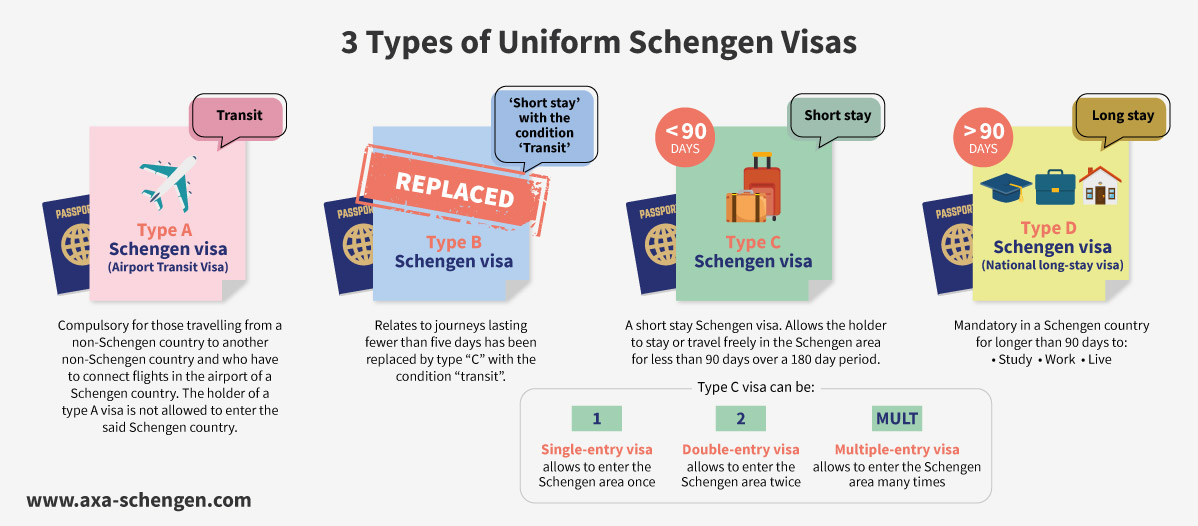
The 3 types of Schengen visas are:
Type A (Airport Transit Visa): This visa allows non-Schengen citizens to transit through the international zone of an airport without actually entering the Schengen Area. It's typically valid for 24 hours.
Type C (Short-Stay Visa): This is the most common visa and allows travelers to stay or move freely within the Schengen Area for up to 90 days within a 180-day period. Depending on the applicant’s purpose, it can be issued as a single-entry, double-entry, or multiple-entry visa.
Type D (National Long-Stay Visa): Required for stays longer than 90 days, the Type D visa is typically for those who plan to study, work, or live in a Schengen country. This visa is often used for long-term purposes and can permit limited travel within the Schengen Area for up to one year.
If you're visiting friends or family in Germany, you'll need a Schengen Type C visa. This visa allows short stays of up to 90 days within a 180-day period, ideal for tourism or visiting loved ones. Make sure your visit aligns with these guidelines. If you plan to stay longer or have a different purpose (e.g., study, work), you may need a different visa type.
💡
If you're unsure, you can take the visa test on the official German site: Visa Navigator.Step 2: Gather Required Documents
Once you're sure you qualify for a Visit Visa to see friends and family, start gathering the necessary documents. Here´s a checklist of documents you´ll need for your visit visa application:
Visa Application Form - Available online on the German Embassy website. Ensure all information is accurate: Visa Application Form.
Valid Passport-Must be valid for at least three months beyond your intended stay in Germany and have at least two blank pages.
Passport-Sized Photos- Two recent photos that meet Schengen visa photo requirements: Photo Requirements.
Invitation Letter- A formal invitation from your friend or family member in Germany, including:
Details of the host (name, address, and contact information).
Information about your relationship.
Purpose and duration of your visit.
Confirmation that the host will cover your accommodation and/or other expenses, if applicable.
Travel Health Insurance – Must cover at least €30,000 for emergency medical treatment or repatriation in case of illness or accident. Here's a list of Schengen insurance companies in the Philippines: Schengen Insurance List.
Proof of Accommodation - Hotel bookings or a formal invitation letter from a host in Germany stating you're staying with them.
Round-Trip Flight Reservations - Bookings showing your intended entry and exit from the Schengen area. You can take screenshots of departure and return dates from travel sites to avoid financial loss if your visa is delayed or denied (hopefully not!).
Proof of Financial Means - Bank statements from the last three months to show you can financially support yourself during your stay. You can also submit an original bank certificate with bank statements from the past six months, or your host's formal obligation (as per §§ 66-68 of the German Residence Act) issued by the local immigration authority (Ausländerbehörde).
Travel Itinerary- A list of places you plan to visit and a daily itinerary showing your travel plans.
Employment Certificate (or Proof of Income)- If you’re employed, include a letter from your employer detailing your position, salary, and approved leave. If you´re self-employed,a copy of your business registration and tax returns.
Evidence of your rootedness in the Philippines- to demonstrate your ties to the Philippines, you must provide specific documents based on your situation:
For employees: A work contract and bank statements showing salary transfers for the past six months.
For self-employed individuals: Business registration,evidence of business activity, income tax returns, and bank statements for the last six months.
For students or pupils: School certificate or proof of enrollment.
Property owners: Submit the original land title.
For married individuals or those with children: Include PSA-issued marriage and/or birth certificates.
Travel History - If you have traveled to a Schengen country before, include copies of your Schengen visas.
Pro Tip:
If your application is incomplete, the Embassy will review it based only on the documents you've provided, which could lead to rejection. Ensure your documents are complete to speed up processing.
Include one set of copies of your supporting documents along with the original documents.
I also recommend including a Cover Letter explaining your reasons for visiting Germany and your commitment to returning to the Philippines.
Step 3: Book Your Embassy Appointment
Once you have all your documents, book an appointment at the German Embassy in Manila or the German Consulate in Cebu.
Visit the German Embassy Website: Book an appointment through their online booking system.
Location: German Embassy in Manila or the German Consulate in Cebu.
Timing: Book your appointment at least 1-3 months before your planned travel date to allow enough time for processing.
Step 4: Attend the Visa Appointment
Arrive Early: Plan to arrive at least 30 minutes to an hour before your appointment.
Bring Your Documents: Make sure you have all the required documents organized and ready.
Interview Process: The interview is generally brief. Be prepared to answer questions about your trip, financial means, and your relationship with your host. (I´ll post more about this)
If you live in the province, consider arriving a day earlier to familiarize yourself with the area and avoid rushing or getting lost.
Step 5: Pay the Visa Fee
Current Fee: €80, payable in PHP.
Exact Amount: Bring the exact amount as change may not be provided.
Step 6: Wait for Processing
Processing Time: Typically around 15 working days, but this can vary.
Tracking: Some embassies allow you to track your application via their website or email.
Step 7: Receive Your Visa
If your visa is approved, you'll be notified to pick up your passport with the visa sticker. Double-check all details to ensure accuracy.
If Denied: ou can appeal the decision by providing additional information or documents that address the reasons for denial.
Step 8: Pre-Departure Preparations
Once your visa is in hand, make sure to:
Double-check your travel documents (passport, visa, flight tickets, insurance, accommodation confirmation).
Pack smartly according to Germany's weather.
Exchange some euros (€) for small purchases or transportation upon arrival.
DIY Visa Tips for Success:
Stay Organized: Keep all documents in one place for easy access.
Avoid Mistakes: Double-check your application for typos and ensure all documents are current.
Be Honest: Never falsify documents or give misleading information. The embassy cross-checks everything, and dishonesty can result in a permanent visa ban.
Applying for a Germany Visit Visa may seem daunting, but with the right preparation and patience, you can handle it on your own. By following this DIY guide, you'll save on agency fees and feel empowered knowing you managed the entire process yourself.
Viel Spaß, and happy travels! ✈️

Comments
Post a Comment